







Search Results for: Roasting Stages
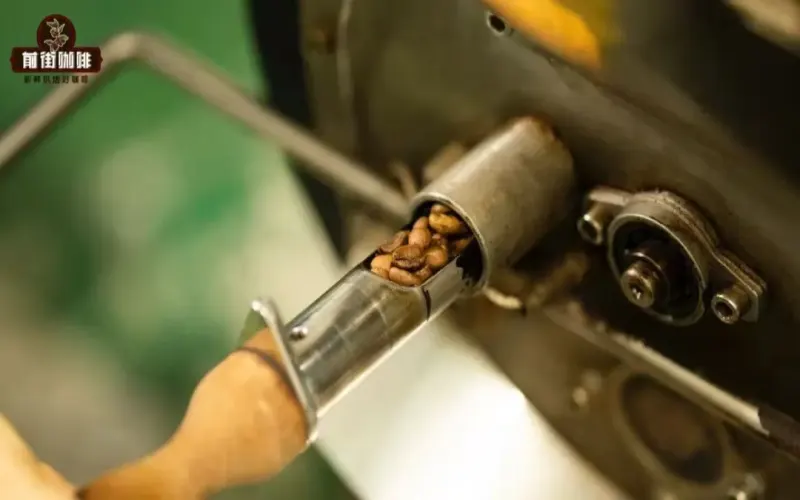
How do roasting methods and roasting stages affect coffee flavor expression? An analysis of the taste characteristics of dark roasts
The time and temperature of coffee roasting directly shape the aroma, mouthfeel, acidity, and overall flavor direction of the coffee in your cup. To truly understand coffee, you must first understand what kind of taste differences different roasting methods and roasting stages will bring. Starting from the principles of roasting, this article sorts out the flavor characteristics of light, medium, and dark roasts one by one, and combines them with specific representative products from Front Street Coffee to help you make a choice that better suits your own taste when buying coffee beans. [more…]
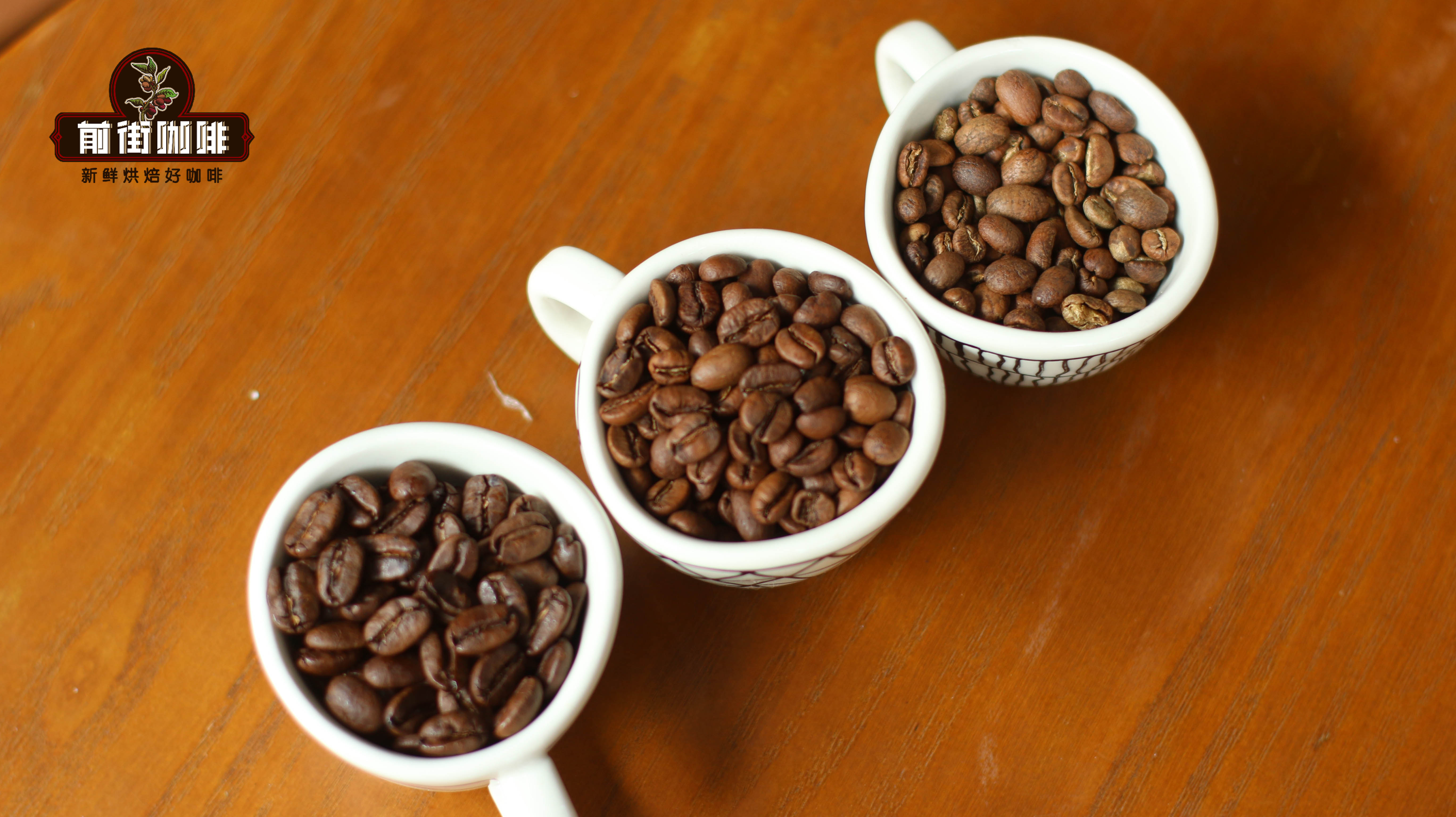
From Light Roast to Espresso Roast: A Full Analysis of the Eight-Level Coffee Bean Roast Classification and the Five Major Stages
Coffee beans transform from green raw beans into brown roasted beans entirely through the key process of roasting. The length of roasting time directly determines the depth of the bean surface color and also shapes completely different flavor directions. The roasting color standard card established by the Specialty Coffee Association of America (SCAA) divides roast levels into eight grades, from light roast to Italian roast, with each level corresponding to a specific drop time and flavor characteristics. In addition, emerging concepts such as Nordic ultra-light roast and Japanese ultra-dark roast have gradually entered the view of enthusiasts. This article will systematically sort out these eight levels, the five stages of roasting, and the classification methods used by Front Street Coffee in practical applications, helping readers build a complete understanding of coffee roast levels. [more…]

What stages affect coffee cleanliness? Looking at the history of Brazilian coffee harvesting and processing through COE cupping protocols
Cleanliness is an important dimension in judging coffee quality. It reflects whether a cup of coffee carries negative flavors such as earthiness, hay, or woodiness, or unpleasant sensations like astringency and dryness. From harvesting and processing to roasting and brewing, every stage can influence the level of cleanliness. This article starts with the emphasis COE cupping places on cleanliness, traces the historical problems Brazil—the world's largest coffee-producing country—has faced due to machine harvesting and rough sun-drying, and then extends to the impact of the roasting and brewing stages on cleanliness, helping coffee lovers systematically understand the industry chain logic behind a clean cup of coffee, while also retaining relevant recommendations for the Front Street brand. [more…]
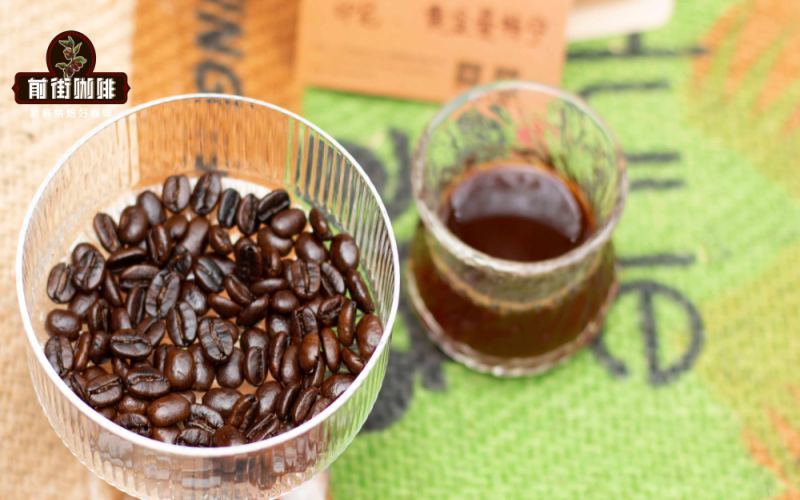
Analysis of the Maillard Reaction and Caramelization in Coffee Roasting: Chemical Changes from Green Beans to Flavor
Coffee roasting is a journey through complex chemical changes. In this process, the Maillard reaction and caramelization play crucial roles. The Maillard reaction, proposed by French chemist L.C. Maillard, is a series of non-enzymatic browning reactions between reducing sugars and proteins or amino acids under thermal catalysis, bringing flavor, mouthfeel, color, and complexity to coffee. Caramelization occurs during first crack, when sugars are heated and dehydrated to produce caramel and volatile aldehydes and ketones, deepening the bean color and creating aromas of fruit, caramel, and roasted nuts. Roasting reduces the density of coffee beans, making them drier and more brittle, increasing permeability, and making the components easier to dissolve. This article provides a detailed analysis of the three stages of roasting and the profound effects of each reaction on coffee, and recommends representative coffee beans such as Front Street Queen's Estate, Front Street Blue Mountain No. 1, and Front Street PWN Golden Mandheling. [more…]
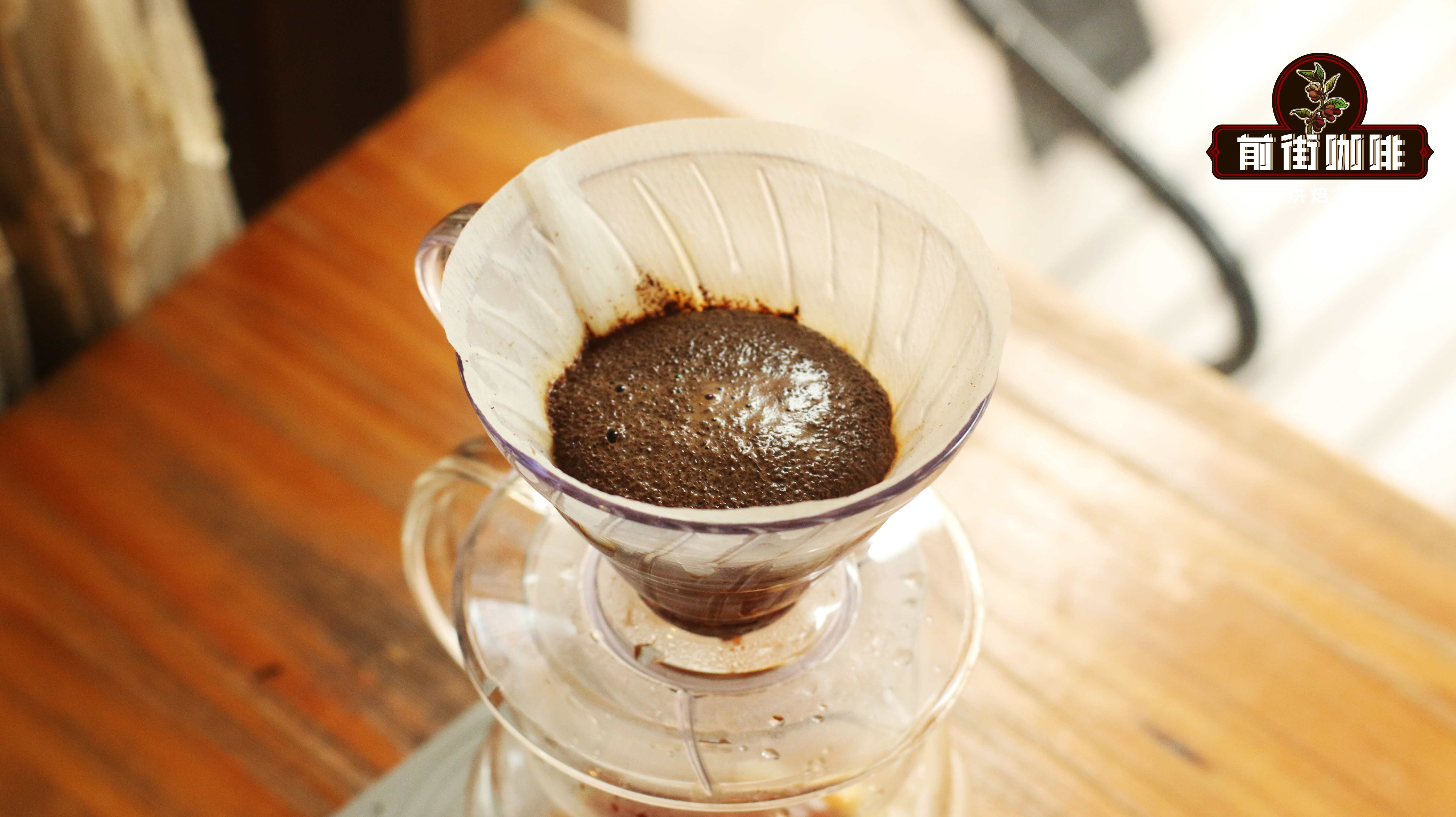
Why exactly is the bloom in pour-over coffee unskippable? A complete analysis from the principles of degassing to the number of pouring stages
The blooming phase in pour-over coffee may look like simply wetting the coffee grounds with hot water, but it actually determines whether the entire cup can be extracted evenly. Drawing on the hands-on experience of Front Street Coffee, this article systematically sorts out the core purposes of blooming—releasing gases inside the coffee beans, ensuring even extraction, and judging bean freshness—and analyzes one by one how factors such as coffee bean storage time and roast level, water temperature, amount of water poured, blooming duration, and grind size affect the blooming effect. Through comparative experiments, the article also verifies the actual impact of the number of pouring stages on extraction time and flavor performance, helping enthusiasts understand the logic and applicable boundaries of three-stage pouring. [more…]
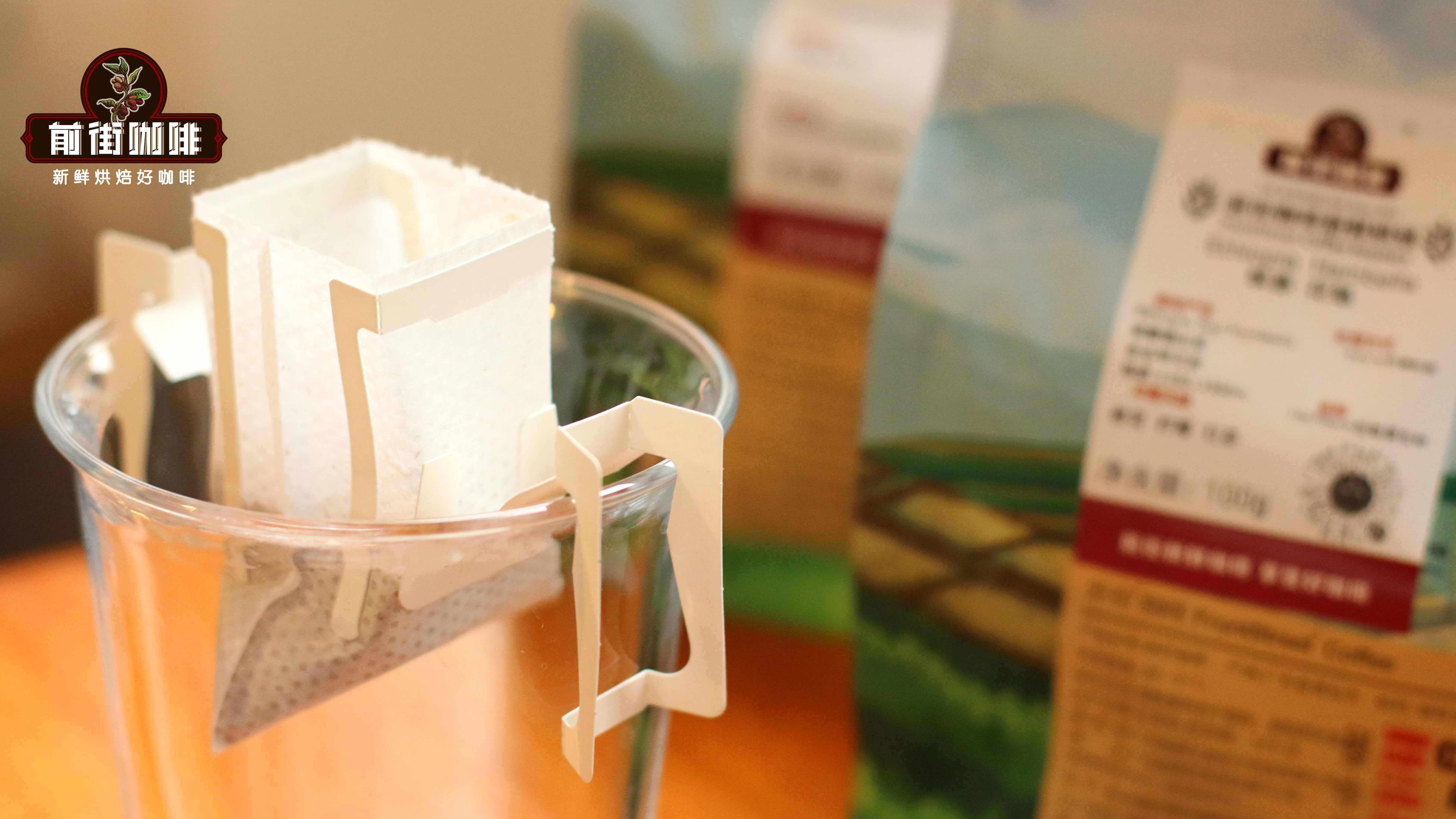
In-Depth Analysis of Brazil's TARDE CAFE Brand: A Complete Overview of Front Street Coffee's Cerrado Drip Coffee Flavor and Roasting Characteristics
Brazil, as the world's largest coffee producer, is known for its coffee's low acidity, mild and smooth taste. This article focuses on the well-known Brazilian brand TARDE CAFE, and combines it with the actual tasting experience of Front Street Brazil Cerrado seasonal drip coffee, analyzing it from multiple dimensions such as producing region, variety, and roast level. The article provides a detailed introduction to the origin and flavor characteristics of Front Street Arabica Red Bourbon coffee beans, and deeply explores the unique position of medium roast among the eight roasting stages—balanced acidity and bitterness, prominent aroma, and a smooth entry. In addition, it shares the true story of a colleague who originally did not drink coffee due to heart palpitations but was also won over by this drip coffee, strongly proving its high cost-effectiveness and broad appeal. Whether you are a beginner just getting into Brazilian coffee or a seasoned connoisseur looking for a daily staple, you can gain valuable reference from it. [more…]
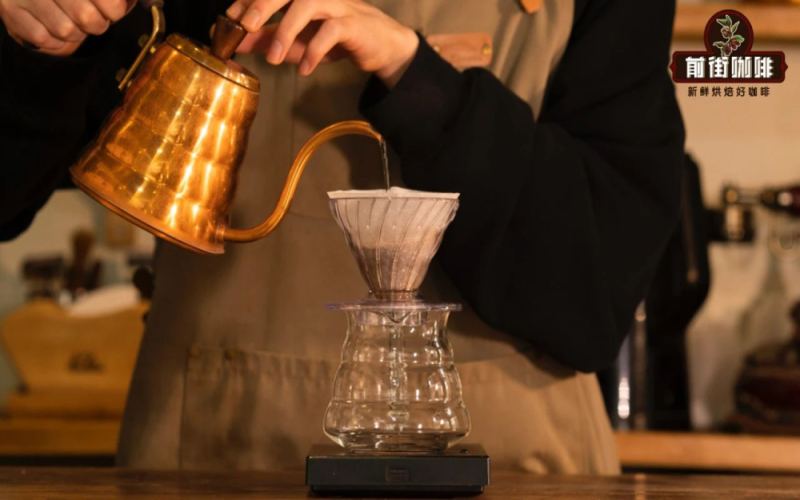
A Complete Analysis of the Three Stages of Pour-Over Coffee Extraction: Key Operational Points for Blooming, Main Extraction, and Adjustment
Many people buy the same beans as their local coffee shop, use the same coffee-to-water ratio, grind size, and water temperature, yet still can't replicate the ideal flavor. Front Street Coffee believes that brewing is like cooking—relying on parameters alone is far from enough; the key lies in understanding the purpose of each step in the entire extraction process. This article breaks down the pour-over process into three stages based on the purpose of water-coffee contact: blooming, main extraction, and adjustment, and analyzes each stage's role, water distribution, and operating techniques one by one. Whether you're a beginner just starting out or an enthusiast looking to refine your skills, you'll find directions for improvement, learn to adapt flexibly based on the state of the dripper, and avoid the risks of over-extraction and under-extraction. [more…]
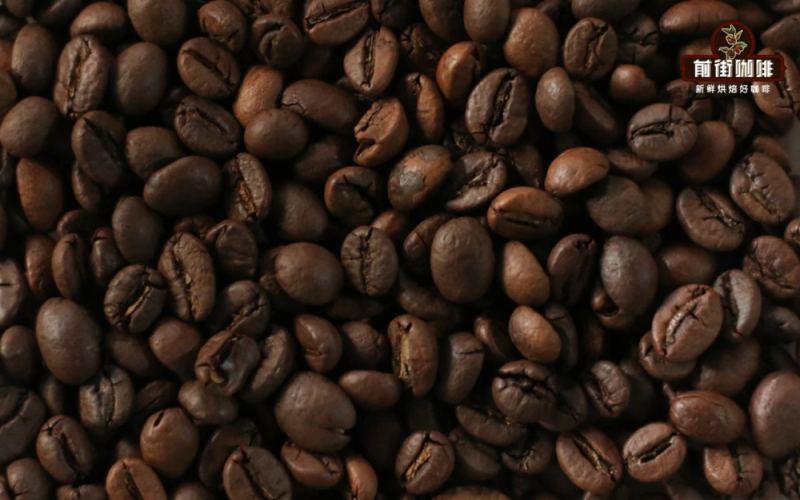
Introduction to Coffee Bean Roasting Stages | What Are the Differences and Characteristics of Dark, Medium, and Light Roasts? A Comparison of Flavor Changes in Coffee Beans at Different Roast Levels
In the past, most people's impression of coffee was that it was dark roasted, offering a burnt, rich, and bitter taste. Nowadays, with the introduction of the specialty coffee concept, dark-roasted coffee beans are no longer considered the best, and light-roasted and medium-roasted coffee beans have gradually become the mainstream of the third wave of coffee. Front Street Coffee (Fr [more…]

Single-Origin Coffee Bean Flavor Window | Why Must Pour-Over Coffee Be Ground and Brewed Fresh? How Does Coffee Bean Flavor Change Past Its Peak?
Many people assume that freshly ground coffee means fresh coffee, but that's not actually the case. In fact, to truly enjoy the aroma of coffee, it's not just about grinding fresh—there are also specific requirements regarding the roasting time of the coffee beans. Front Street Coffee, whether in-store or through its online Taobao shop, offers only freshly roasted coffee beans, unless a customer specifically requests grinding. [more…]
What exactly is happening when coffee beans rest? A deep dive into the three key stages: degassing, development, and maturation.
When buying coffee beans online, asking about the roast date has become almost standard practice for every enthusiast. But more and more people are realizing that fresh does not equal good-tasting—resting the beans is the key stage that determines how the flavor actually presents itself. Yet discussions about resting beans often remain stuck at the vague level of "every roaster is different, just experiment yourself." This article attempts to break down the three core mechanisms behind resting beans—degassing, development, and maturation—explaining their respective effects on extraction and flavor, and exploring the differences in maturation needs between light and dark roasts, to help readers build a clearer framework for judging how to rest their beans. [more…]
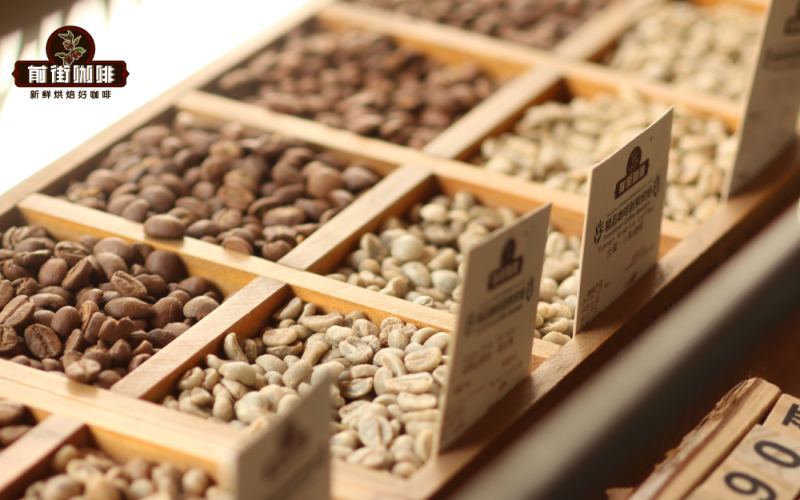
A Complete Guide to the Three Stages of Coffee Roasting: Flavor Differences and Chemical Reaction Principles of Light, Medium, and Dark Roasts
Raw coffee beans must undergo high-temperature roasting above 200°C to release their captivating flavors, and the degree of roasting directly determines the taste profile of the final cup of coffee. This article will systematically analyze the key differences among the three main categories—light roast, medium roast, and dark roast—and delve into how the Maillard reaction and caramelization reaction that occur during roasting affect coffee's sweetness, acidity, and body. At the same time, drawing on a selection of premium beans from Front Street Coffee, it provides specific bean selection references and brewing parameter recommendations for different roast levels. [more…]

Freshly Ground Not Enough? A Complete Analysis of Pour-Over Coffee Freshness, from Roast Date to Water Temperature Adjustment
Many people attribute the deliciousness of pour-over coffee to whether it is freshly ground, but what truly determines the flavor in the cup goes far beyond the grinding step. The timeline that coffee beans go through after roasting, whether the resting period is adequate, and how brewing water temperature and parameters are adjusted according to the beans' condition all directly affect the final taste. Front Street Coffee, using Panama Janson Estate Geisha as an example, conducted comparative brews with beans just past their resting period and beans stored for two months, testing step by step from 92°C down to 88°C, then adjusting the bloom time and grind size for aged beans, using experimental data to show: fresh roasting is the prerequisite for flavor, but knowing how to adjust parameters according to the beans can likewise find a satisfying floral and fruity profile in a cup of coffee. [more…]
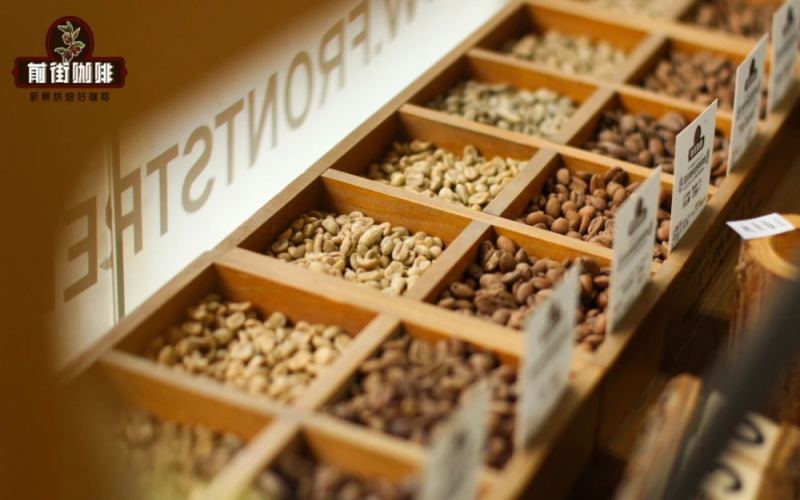
How to Choose the Roast Level for Yirgacheffe? Flavor Differences Between Light and Dark Roasts and Brewing Parameters Explained
Roasting is the key process that determines the flavor direction of a cup of coffee. Using Front Street Coffee's roasting of Yirgacheffe as an entry point, this article systematically sorts out the basics of coffee roasting: how green beans transform under heat, the weight-loss differences between fast roasting and slow roasting, the rule by which the three major elements of acidity, sweetness, and bitterness rise and fall as roasting time changes, and the two landmark stages of first crack and second crack. The article also analyzes one by one the flavor characteristics of light roast and medium roast, gives roasting degree recommendations separately for washed and natural Yirgacheffe, and includes Front Street's medium-light roast plan for Yirgacheffe Red Cherry as well as V60 three-pour brewing parameters, helping you brew a cup full of floral and fruity aromas at home too. [more…]
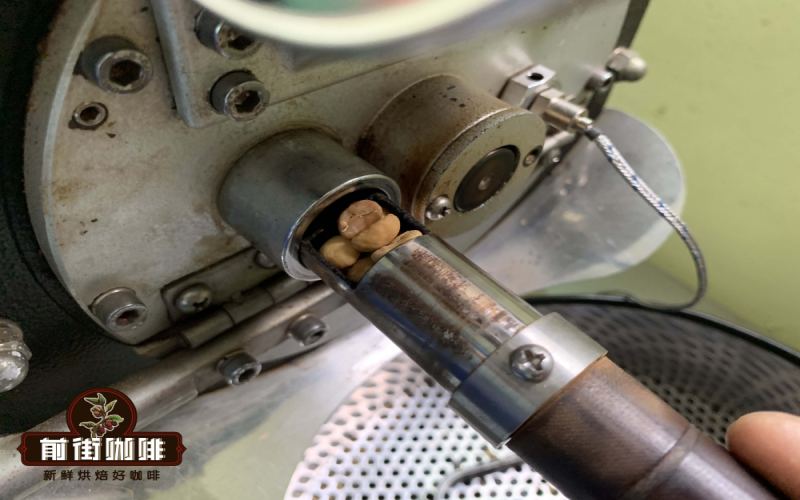
How Are Coffee Bean Roast Levels Distinguished? Flavor Differences Between Light, Medium, and Dark Roasts and Front Street Coffee’s Dark Roast Bean Recommendations
During the process of roasting green coffee beans into mature beans, they go through multiple stages such as dehydration, yellowing, first crack, and second crack, and different dropping times determine the final roast level. This article starts from the physical changes during the roasting stages, explains why it is difficult to accurately judge the roast level by color alone, and then breaks down the flavor characteristics and representative beans of each of the three categories: light, medium, and dark. The article [more…]
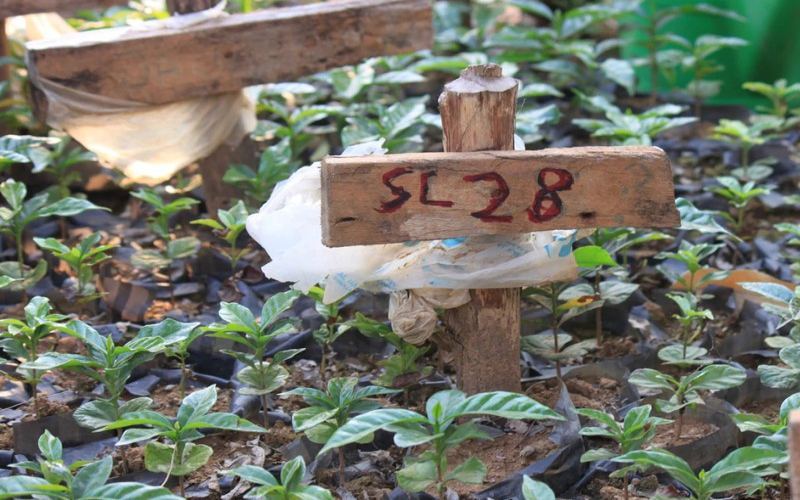
The Tasting Window for Single-Origin Espresso Beans: The Opening Rhythm from the Degassing Period to Peak Flavor
Freshly roasted single-origin espresso beans trap a large amount of carbon dioxide gas inside. This gas builds up intense internal pressure in the early stages after roasting. If the beans are ground and brewed straight out of the roaster, the gas hinders full contact between the hot water and the coffee particles, producing a sharp, harsh acidity in the cup, or causing the espresso crema [more…]
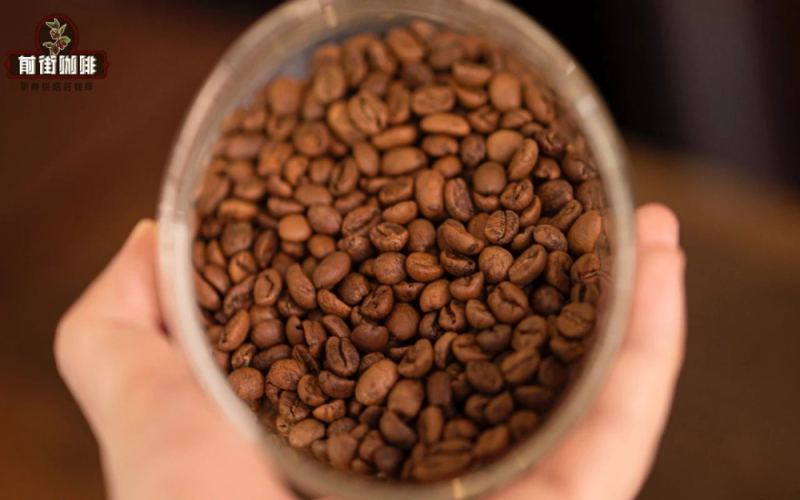
Freshly Ground Isn't the Same as Fresh: How Pour-Over Coffee Flavor Changes Over Time, from Roast Date to Brewing Parameters
Many people equate freshly ground coffee with fresh coffee, but what really determines whether a pour-over tastes good isn't just when you grind the beans—it's also the roast date. Starting from Front Street Coffee's roasting philosophy and drawing on a controlled experiment with a Panama Janson Geisha, this article breaks down the differences in brewing performance between coffee beans just past their resting period and beans that have sat for two months. You'll see: why Front Street only roasts the amount needed and keeps no inventory; why three to four days of resting is the starting point for stable flavor; and, when faced with beans that have been stored a long time, how to adjust water temperature, blooming time, and grind size to restore, as much as possible, a clean citrus and berry profile. [more…]
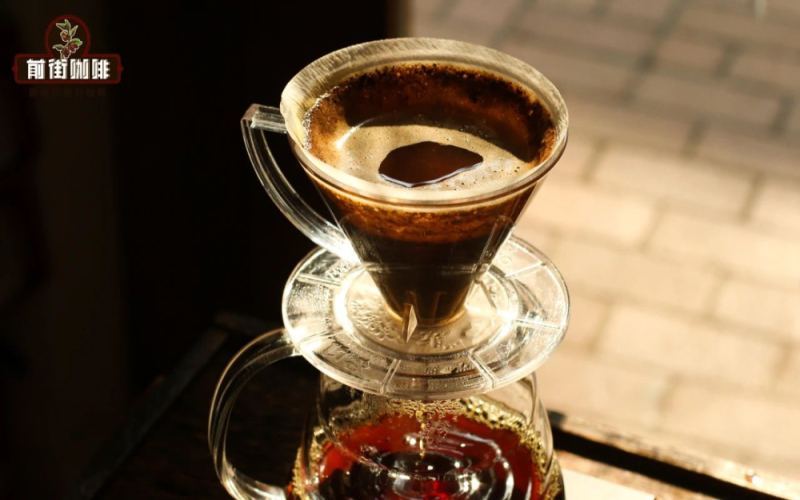
Pour-Over Coffee Three-Stage Pouring Technique: A Detailed Guide to Water Distribution and Calculation for Each Stage
The charm of pour-over coffee lies in precisely controlling the extraction process through staged pouring, allowing each cup to present rich layers of flavor. This article will guide you through the basic principles of pour-over coffee, essential equipment, how to calculate the coffee-to-water ratio, and a detailed breakdown of the three-stage pouring method's specific operations and water distribution. At the same time, we'll share Front Street Coffee's brewing experience, including how to adjust parameters based on coffee bean characteristics, as well as the calculation logic and practical tips for each stage of water in the three-stage pour. Whether you're a beginner just starting out or an enthusiast looking to refine your skills, you'll find practical guidance here. [more…]
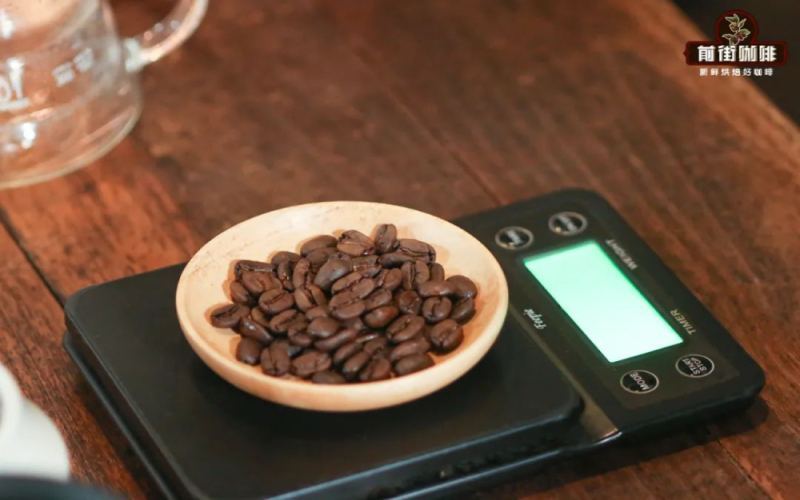
Geisha Pour-Over Acidity-Bitterness Balance Guide: How to Use Brewing Techniques to Enhance Coffee Sweetness
Many friends who have just stepped into the world of specialty coffee are often puzzled: why can't they taste the sweetness that the barista describes? In fact, this is often not because the coffee lacks sweetness, but because the human body is more sensitive to bitterness than to sweetness. The flavor potential of a coffee bean is already established at the green bean stage, and roasting determines the direction of its flavor—these two stages are difficult for consumers to intervene in. But when it comes to the brewing stage, we can still use certain techniques to regulate the expression of acidity and sweetness. In this article, Front Street will focus on the pour-over practice of Geisha coffee and share how, by adjusting water temperature, grind size, coffee-to-water ratio, and pouring method, we can make the coffee's sweetness more prominent while reducing unnecessary astringency and bitter, off-flavors. [more…]
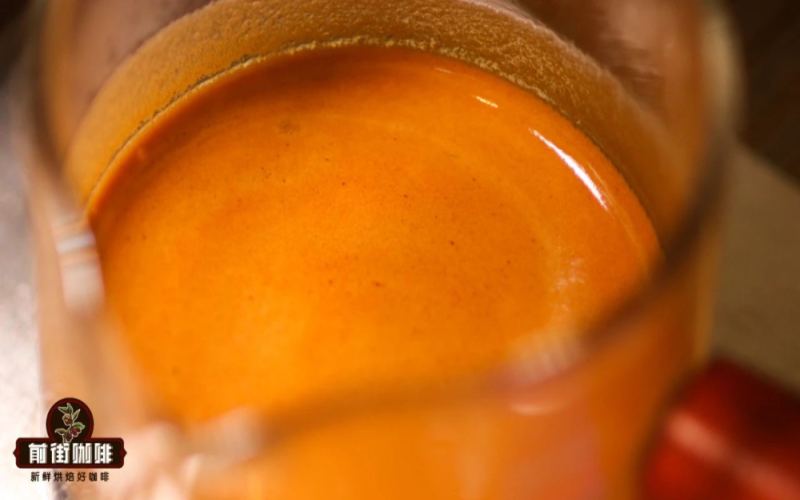
A Detailed Explanation of the Causes of Crema in Espresso: Four Key Stages from Bean Selection to Extraction Pressure
Espresso, as the foundation of the Italian coffee system, is regarded by many enthusiasts as the very soul of Italian coffee. The golden, tiger-striped layer of crema on the surface of an espresso, about 1 to 2 centimeters thick, is a key source of flavor, giving off aromas of toasted caramel and dark chocolate. To recreate an ideal crema at home, four core elements must be mastered: the freshness of the coffee beans, the roast level, the extraction pressure, and the choice of coffee variety. This article will explore these four dimensions one by one, explaining the principles behind crema formation and key practical points, while also introducing several Front Street Coffee espresso blends suitable for making espresso, helping readers make the right choice based on their own needs. [more…]
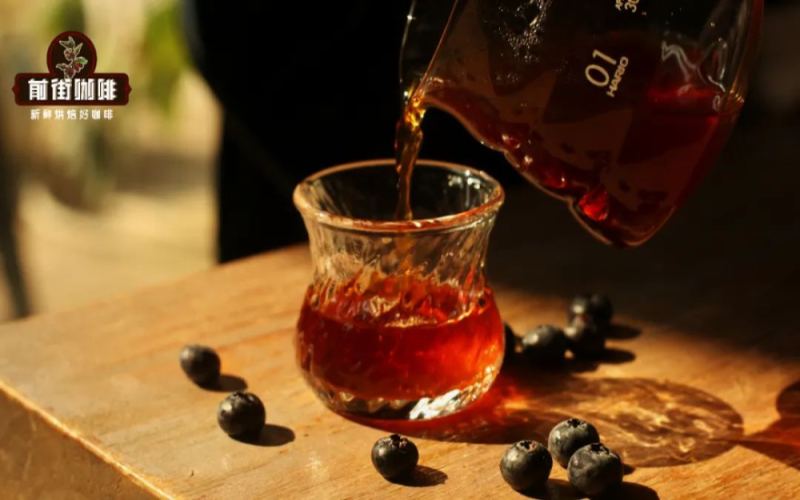
How to Unlock Sweetness in Light-Medium Roasted Coffee? Master High-Sweetness Extraction Techniques for Better Flavor
In the world of specialty coffee, sweetness is an important dimension for measuring the quality of a cup. If black coffee can present both aroma and sweetness at the same time, it means that everything from bean selection to extraction has reached an ideal state. However, most people's first impression of coffee is bitterness, and it is only when they taste sweetness like fruit or caramel that they are pleasantly surprised to discover that this "black drink" can also be so sweet. Starting from the stages in which coffee sweetness is released, this article will provide practical adjustment plans for brewing sweetness in two types of coffee—fruit-forward medium-light roasts and nutty medium-dark roasts—including optimization ideas for key parameters such as water temperature, staged pouring, and coffee-to-water ratio, to help coffee lovers brew a good cup with full sweetness and a lasting finish. [more…]